GEOX talks and lectures
GEOX talks and lectures
Together with The Oxford University Museum of Natural History, OGT has been organising a series of talks on geological topics at the OMNH Museum in Oxford. Below are abstracts of some of the recent topics.
Pictured is W J Arkell (1904-1958) who became a leading authority on Oxfordshire Geology and on Jurassic Stratigraphy
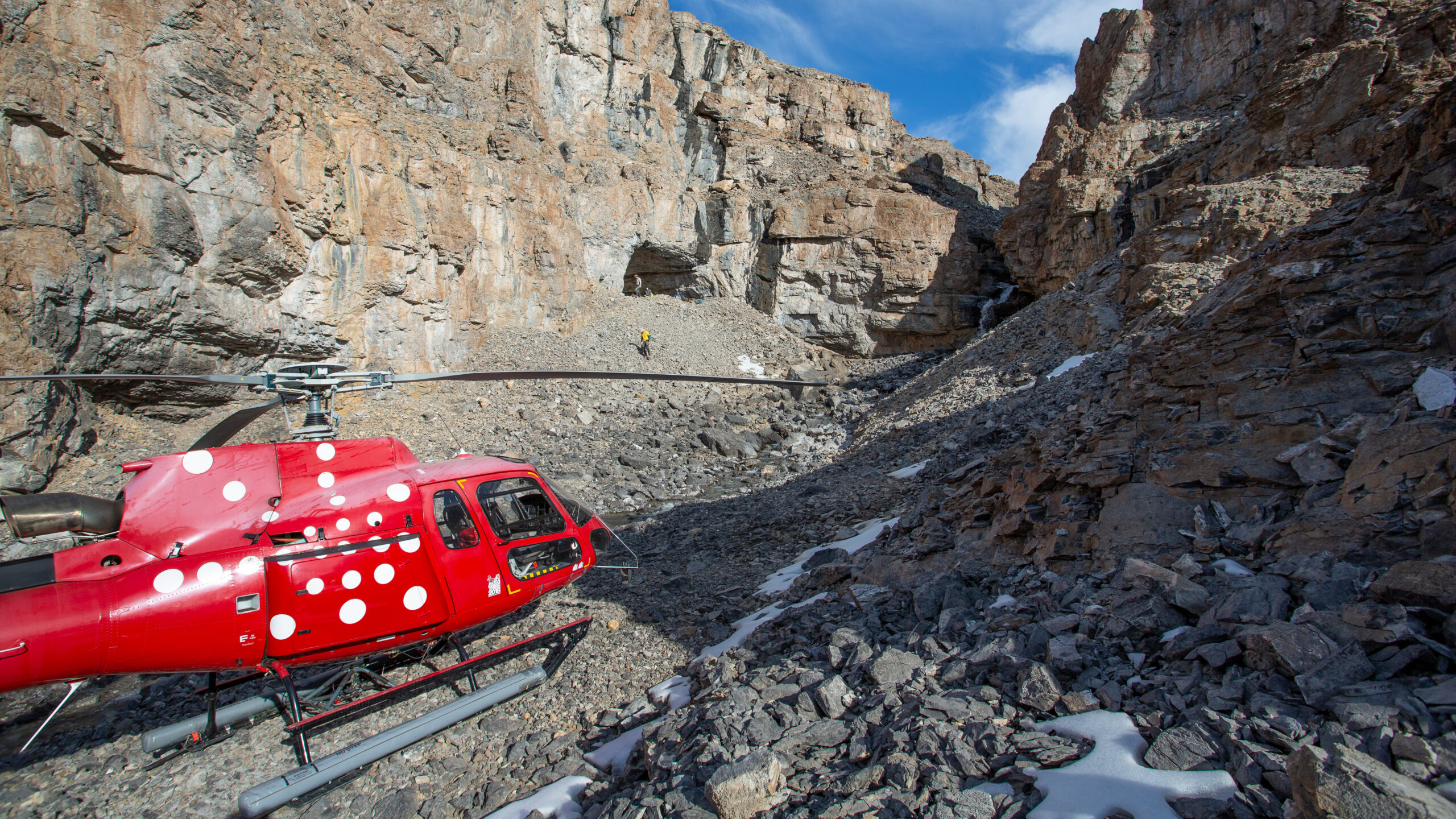
17th February 2026
a talk by Paul Smith of Oxford University Museum of Natural History & School of Geography, Earth & Environmental Science, University of Birmingham
Large cave entrances are distributed across the whole of North Greenland from 80–82.5°N, an ice-free area larger than England. They constitute the northernmost documented karst caves globally, and data relating to the caves in this remote region have been collected on field expeditions over a 40-year period. The caves preserve an important part of the geological history of North and North-East Greenland that is otherwise absent from the physical geological record, as well as an insight to warm Neogene climates at these high Arctic latitudes.
For a preview of Paul’s talk see his recent paper in Nature Geoscience: https://www.nature.com/articles/s41561-025-01822-0
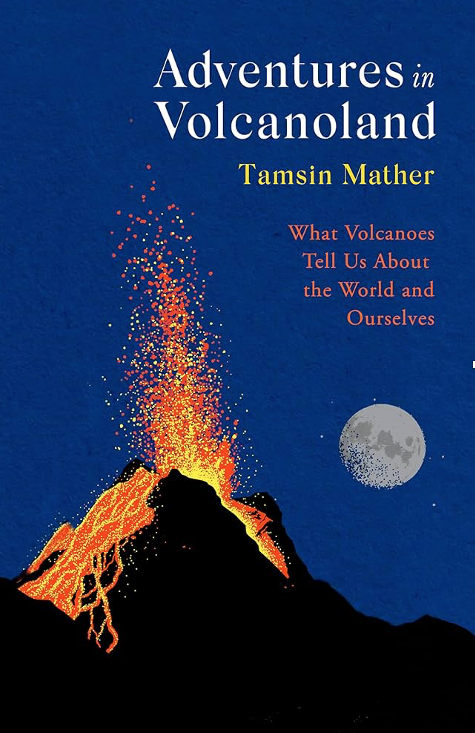
13th January 2026
Adventures in Volcanoland: From fuming volcanic vents to extinction events
Prof. Tamsin Mather, Department of Earth Sciences, University of Oxford
This presentation will explore how studying volcanoes on the present-day planet can unlock new knowledge about Earth’s deep history including major environmental crises like mass extinction events and other themes around volcanoes and their importance for our planet.
Tamsin’s book, Adventures in Volcanoland, now available in paperback, costs £12.99. Copies (cash or card) will be available at the GeOx lecture on 13 January. If people have already bought the book, Tamsin says she’s happy to sign their copy if they wish.
To get a preview of the lecture, click on the link below to listen to Episode 63 of Science on the Radio, broadcast on Witney Radio last year.
https://www.wrfm.co.uk/on-air/podcasts/science-on-the-radio/episode/wrfm-science-on-the-radio-episode-63-adventures-in-volcanoland/
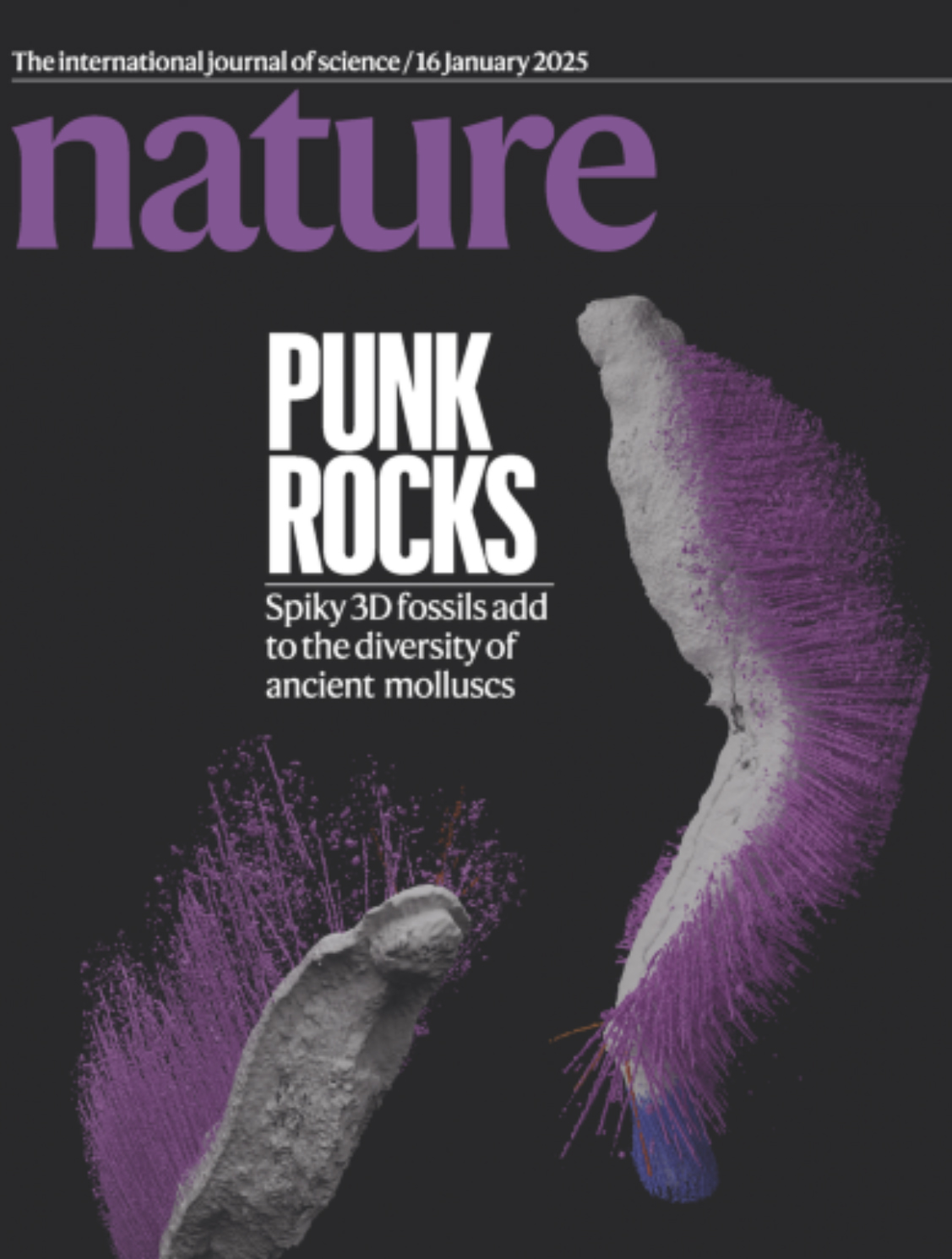
17 March 2026
SOFT BODIED SENSATIONS FROM THE HEREFORDSHIRE LAGERSTÄTTE: FLESHING OUT SILURIAN MARINE LIFE,
a talk by Derek J. Siveter,
Emeritus Professor of Earth Sciences, Honorary Research Associate,
Oxford University Museum of Natural History
The Herefordshire Lagerstätte is a globally important fossil deposit of mid-Silurian age (about 430 Ma). The fossils, hosted in nodules in a volcaniclastic layer, represent a richly diverse invertebrate fauna which are exquisitely preserved, including their soft parts, in the round. They are studied mostly through use of physical-optical tomography. Digital images are combined by computer to reconstruct the animal as a three-dimensional virtual model that can be examined interactively on screen.
The digital data can also be used to generate a physical model of the fossil. Soft-bodied fossils belonging to the Cambrian Period have been fundamental for our understanding of the early evolution of animal life during the ‘Cambrian Explosion’ event. However, soft-bodied faunas from the Silurian are very rare, and the Herefordshire fossils are contributing much to our knowledge of the palaeobiology and evolution of various major invertebrate groups of this period and to the early history of life on Earth.
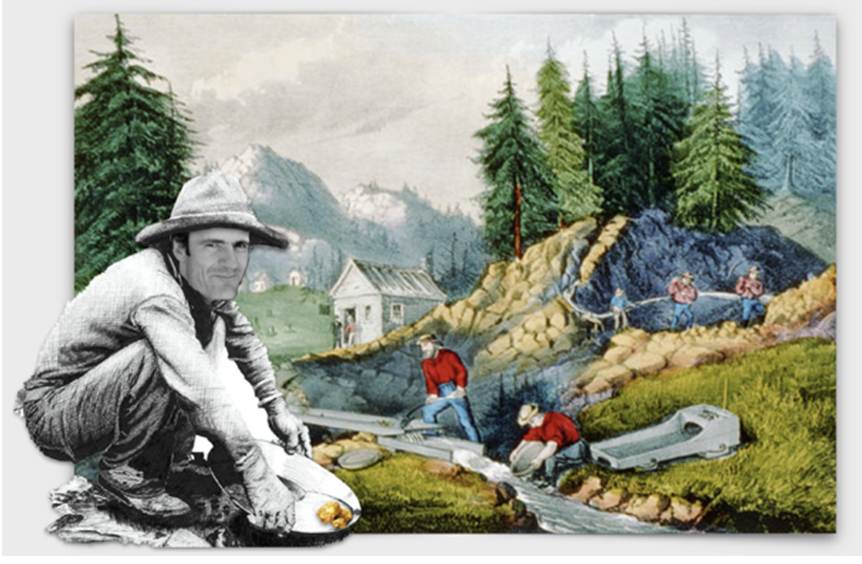
21 April 2026
AFTER THE GOLDRUSH
My Californian Mining Adventure (145 years too late)
an illustrated talk by Jeremy Mainwaring-Burton
News of the discovery of gold in California in 1848 signalled the start of the World’s first major gold rush. Within the year of 1849 alone the new American territory’s population swelled five-fold as eighty thousand ‘Argonauts’ hurried there in the hope of claiming a share of the golden riches. Many more followed, including Jeremy Mainwaring-Burton who arrived in California 145 years later hoping to claim his share.
19th May 2026
a talk by Lesley Dunlop
of the Oxfordshire Geology Trust, Berkshire Geoconservation Group and Northumbria University
This talk will concentrate on the main mineral deposits of Portugal. These range from chromite deposits in the north, tin and tungsten in the centre and iron further south. This is an opportunity to see parts of Portugal not often visited.
16th June 2026
A talk by Dr Frankie Dunn
Research fellow at the Oxford University Museum of Natural History
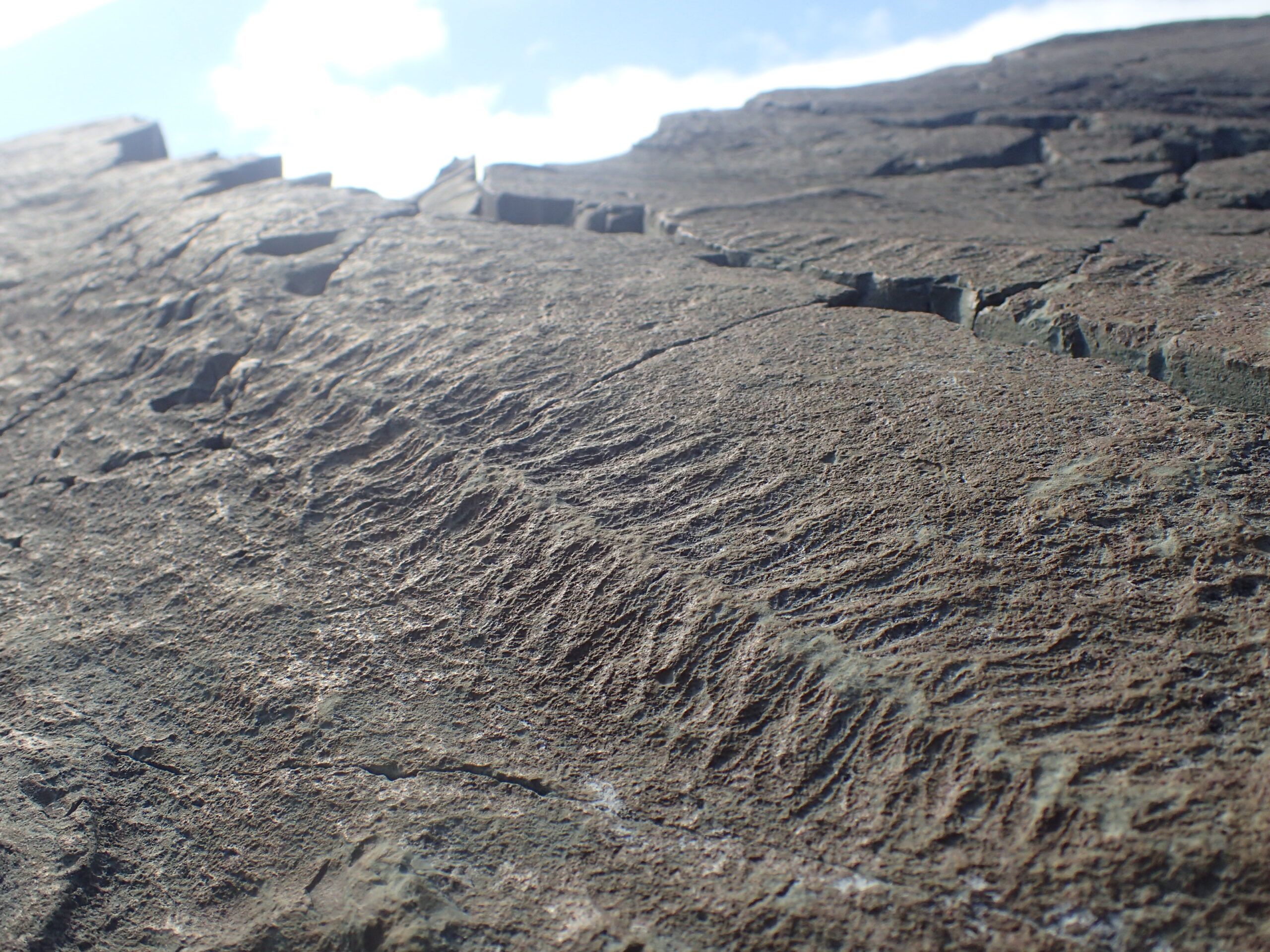
The radiation of animals across the Ediacaran-Cambrian transition is one of the most transformational events in Earth History, radically changing Earth’s surface environments. However, while fossils from the Cambrian are readily recognised as belonging to extant groups, those from the late Ediacaran Period show distinctive forms with no counterparts among living species. Although these Ediacaran fossils are often held to represent the antecedents to modern animal groups, their strange anatomies have meant that, for the most part, they have been eschewed from the debate and their unique insight left unrealised. My work shows that the Ediacaran fossils are likely occupy a critical position in the tree of life.

21st July 2026
a talk by Professor Mike Searle
Dept. Earth Sciences, University of Oxford, South Parks Rd. and
Oxford University Natural History Museum, Parks, Rd. Oxford, UK.
A new geological map (scale: 1:1.5 M) of the Greater Himalayan Ranges has been compiled and will be published in two sheets. The Western Sheet includes the Pamir, Hindu Kush, Karakoram, Kohistan, Ladakh ranges, including SW Tibet, with the Nanga Parbat syntaxis, and the Pakistan and Indian Himalaya. It extends from the Afghanistan-Pakistan border in the west to the India-Nepal border in the east. The Eastern Sheet includes the Nepal, Sikkim, Bhutan, Arunachal Pradesh ranges, southeast Tibet, Namche Barwa syntaxis, the Shillong Plateau and northwest Myanmar (Burma) ranges. The map includes five cross-sections, and a detailed Key. Together with magmatic, metamorphic, thermobarometric, strain measurements, as well as geochronological and geophysical data, several key geological processes can be deduced from all these geological strands. These include the nature and timing of the India – Asia collision, crustal shortening and thickening processes across the Tethyan Himalaya, channel flow processes along the Greater Himalaya, Pliocene – Pleistocene high-temperature metamorphism and rapid exhumation – uplift rates in the Nanga Parbat syntaxis, and the distribution of earthquakes along the orogen.

18th August 2026
A talk by Joe Cartwright of OU Earth Sciences
Of the many hundreds of giant dyke swarms known from Earth, Venus and Mars, the Mull Dyke Swarm is arguably the best documented, and certainly the longest studied. At just over 650 km in length, the Mull Swarm is one of the longest on the planet, and its constituent dykes represent an extraordinary intruded volume of over 400 Km3.
Since the 1800s, a veritable honours board full of eminent geologists have studied the extraordinary story of how the dyke swarm was emplaced: Sedgwick,Teall, Bailey, Geikie, Peach, Tyrrell, Richey and Holmes all having literally put the Mull Swarm on the map.
In this talk, I hope to convey the incredible richness of the geological information obtained over many long field seasons in harsh conditions by these pioneers (and their mules!) and contrast that with the more recent armchair efforts of a small group of students equipped only with modest computers using data donated by the petroleum industry.
8th September 2026
A talk by Ricardo Perez de la Fuente, Senior Researcher of Natural History, Deputy Head of Research OUMNH
Cretaceous Amber -frozen in time
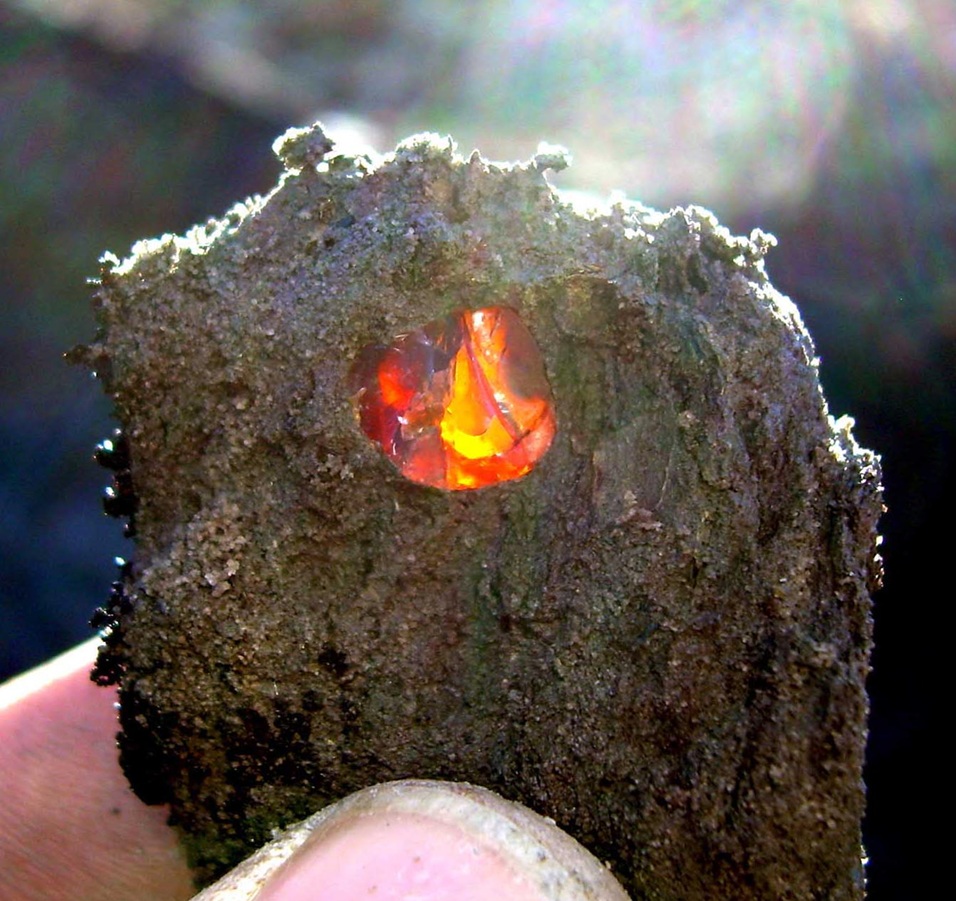
Amber, fossilised plant resin, is a fossiliferous material with unique properties that has fascinated humanity since prehistoric times. Amber does not become abundant until the Early Cretaceous, coinciding with a global warming period that promoted resin production in different groups of conifers. Cretaceous amber is usually found in mudstones or sandstones related to delta-estuarine deposits, and it is often associated with charcoal and other plant matter. From the palaeontological standpoint, what makes amber special is that it offers an unmatched quality of preservation, and provides direct evidence on behaviours and interactions between organisms as the resin captured small portions of the palaeoecosystem almost instantly. This talk will showcase how Spanish amber is gathered in the field and how its inclusions are prepared and studied in the laboratory through both classic and modern techniques. The study of Cretaceous amber and the bioinclusions preserved within provide valuable taxonomic, evolutionary, taphonomic, and palaeoecological data, such as on host-parasite or pollination relationships